Body
According to the National Institutes of Health (NIH), approximately 2 million people in the United States are living with aphasia — a communication disorder that can occur after stroke that impacts a person’s ability to read, write or speak. For people with aphasia, this condition can have a profound impact on their self-expression, independence, social well-being, and more.
Fortunately, for the past quarter century, Shirley Ryan AbilityLab's Center for Aphasia Research & Treatment has been a lifeline. Through clinical treatment, research, extensive programming and outreach, the center has — since day one — focused on creating connection and community among the people it serves.
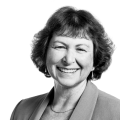
Now, as the center celebrates 25 years — a milestone anniversary — Leora Cherney, PhD, CCC-SLP, BC-ANCDS, FACRM, scientific chair of the Robert R. McCormick Foundation Think + Speak Lab at Shirley Ryan AbilityLab and the founder and director of the Center for Aphasia Research & Treatment, reflects on the center’s history and its bright future ahead.
“So many things have happened in the past 25 years that have been both positive and exciting for the aphasia community,” said Dr. Cherney.
A ‘Life-Participation Approach’ to Meeting the Needs of the Aphasia Community
Body
Dr. Cherney had already spent two decades as a clinician and research scientist at Shirley Ryan AbilityLab (formerly known as the Rehabilitation Institute of Chicago) before formally establishing the Center for Aphasia Research & Treatment in 2001.
According to Dr. Cherney, the center was the first to combine research and community groups as part of its mission, thereby filling a gap in the aphasia community.
“After a stroke or other brain injury, many people with aphasia receive treatment for only a limited period before insurance coverage ends,” she said. “Yet, aphasia is often a chronic condition, and the challenges do not disappear when formal therapy stops and when individuals return to the community.”
In response, she envisioned a center that would offer options to continue treatment; participate in novel research; provide opportunities to practice communication; and foster social connections among its participants.
Over the years, the center remained focused on a “life-participation approach.” Dr. Cherney wanted to help people with aphasia improve communication skills in the clinical setting, but also ensure those skills would translate to the real world so they could participate fully in their everyday lives and communities.
“We try to focus on what people with aphasia actually want and need to do: talk with family, read for enjoyment, join discussions, volunteer, build friendships and remain active in the world around them,” said Dr. Cherney.
Connection Through Community Groups
Body
In its early years, the center grew out of something simple and deeply human: conversation.
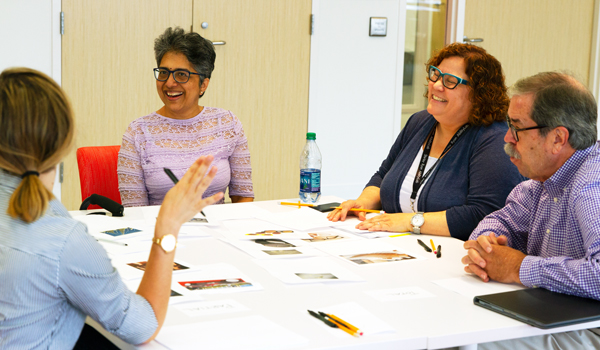
Before the center was officially founded, conversation groups were beginning to take shape — often during the lunch hour at Shirley Ryan AbilityLab — with facilitated small groups that offered those with aphasia a chance to talk, connect and practice communication in a supportive environment.
One of the center's signature innovations came in 2004 with the launch of its first book club. For Dr. Cherney, the idea brought together several priorities at once: a way to enjoy reading once again; a structured discussion for the sharing of ideas; and a social bridge as participants engaged with one another.
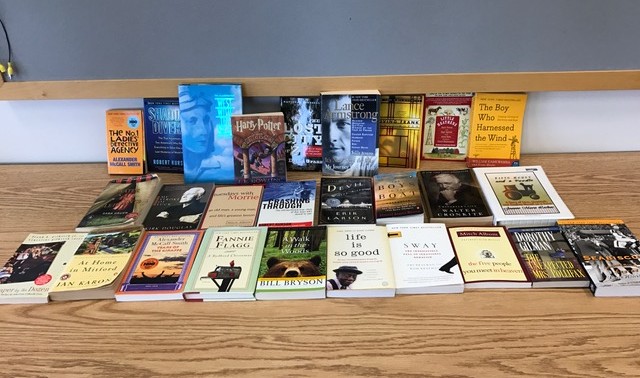
Today, the center offers a broad range of in-person and virtual community groups for participants with aphasia to enhance their communication skills. These programs are offered at no or low cost to participants and are supported thanks to the generosity of donors.
Programs include conversation groups and aphasia book clubs with facilitated book discussions, as well as an aphasia choir and supported volunteering opportunities with local nonprofit organizations.
Body
Just last year, the aphasia community groups provided enriching activities for 131 participants from 16 states, and participants performed 325 hours of service to local nonprofit organizations.
“Connection is key to the aphasia community. Our participants connect with others who have gone through similar journeys, who are fighting in the same way to move forward and who really understand each other,” said Dr. Cherney.
‘High-Dose Intervention’: The Intensive Comprehensive Aphasia Program
Body
Another cornerstone of the center’s offerings is its Intensive Comprehensive Aphasia Program (ICAP), which was established in 2008 at Shirley Ryan AbilityLab and was among the first of its kind in the field.
“In speech-language therapy, patients with aphasia work hard to recover communication and language skills they’ve lost due to stroke. Plus, studies have shown that individuals with aphasia benefit from intense treatment provided over a short period of time,” said Dr. Cherney. “However, it can be challenging for individuals to find therapeutic interventions to address ongoing impairments from aphasia once rehabilitation comes to an end.”
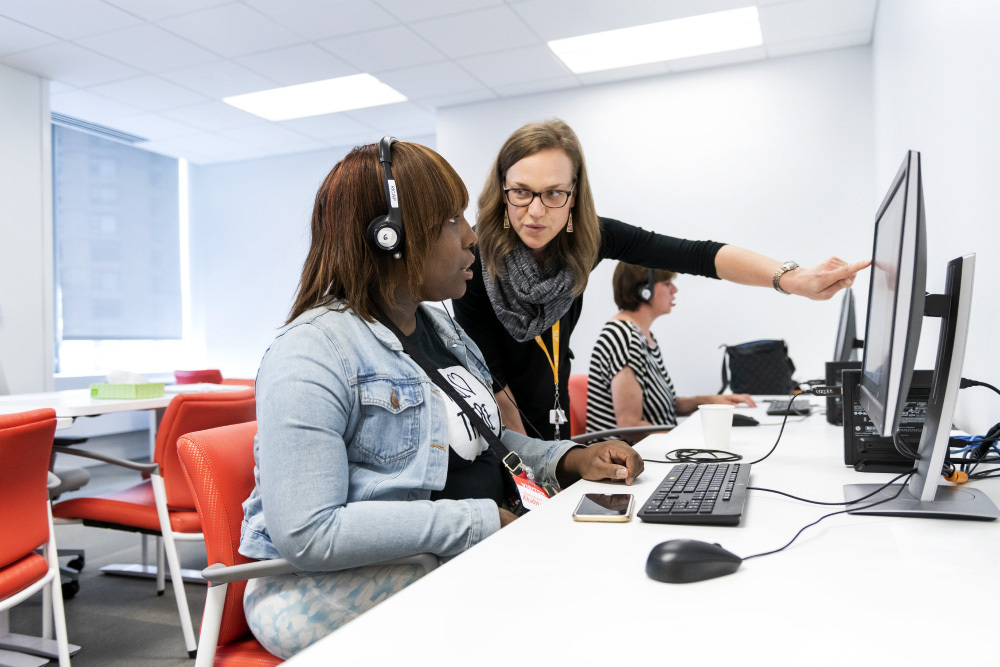
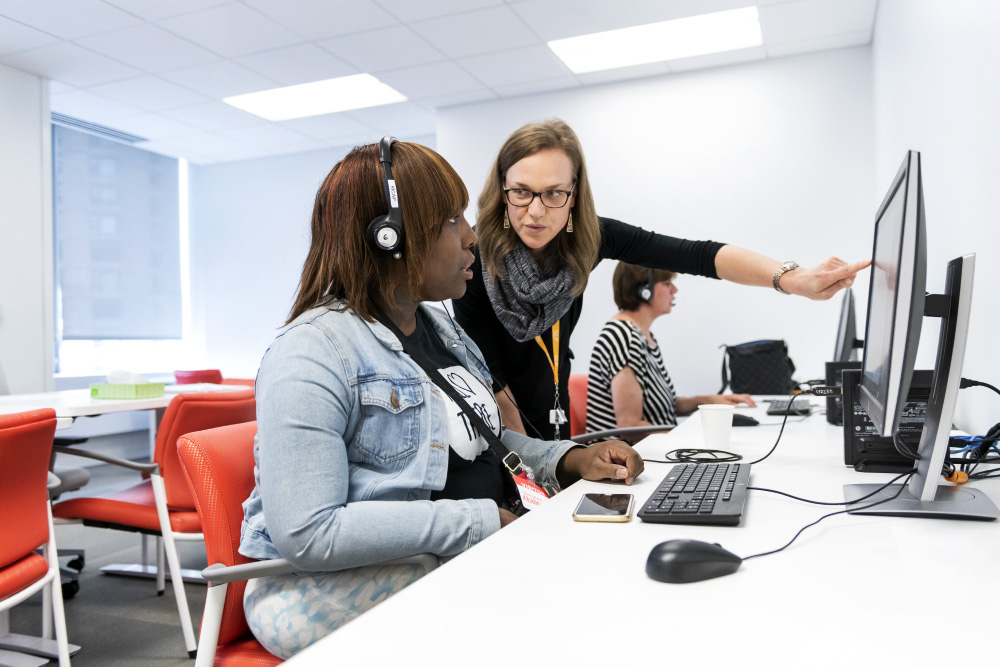
That’s where ICAPs come in. Community members can receive further intensive therapy through the one-month immersive. Through the program’s individual, group and computer-based therapies, hundreds of ICAP participants have benefited from the program — improving their language and functional communication abilities. Shirley Ryan AbilityLab currently offers the program four times a year to new participants in addition to shorter, mini programs for returning participants.
Aphasia Research Focuses on Real-world Implications
Body
Determining how treatment for aphasia applies to the real world always has shaped the center’s research efforts. Dr. Cherney has long examined not only whether an intervention produces change in a clinical setting, but whether those gains carry forward as individuals with aphasia reintegrate into the community.
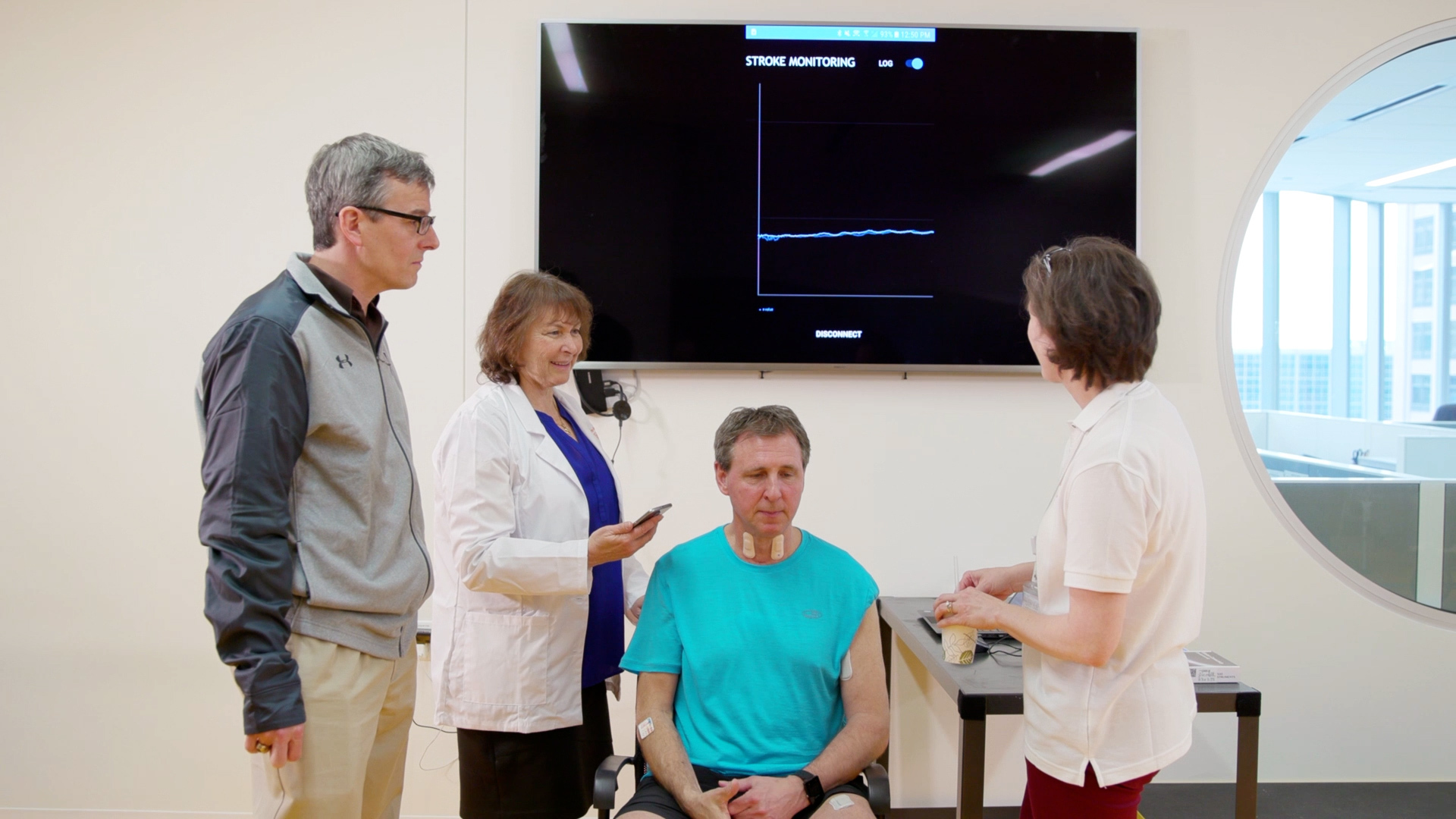
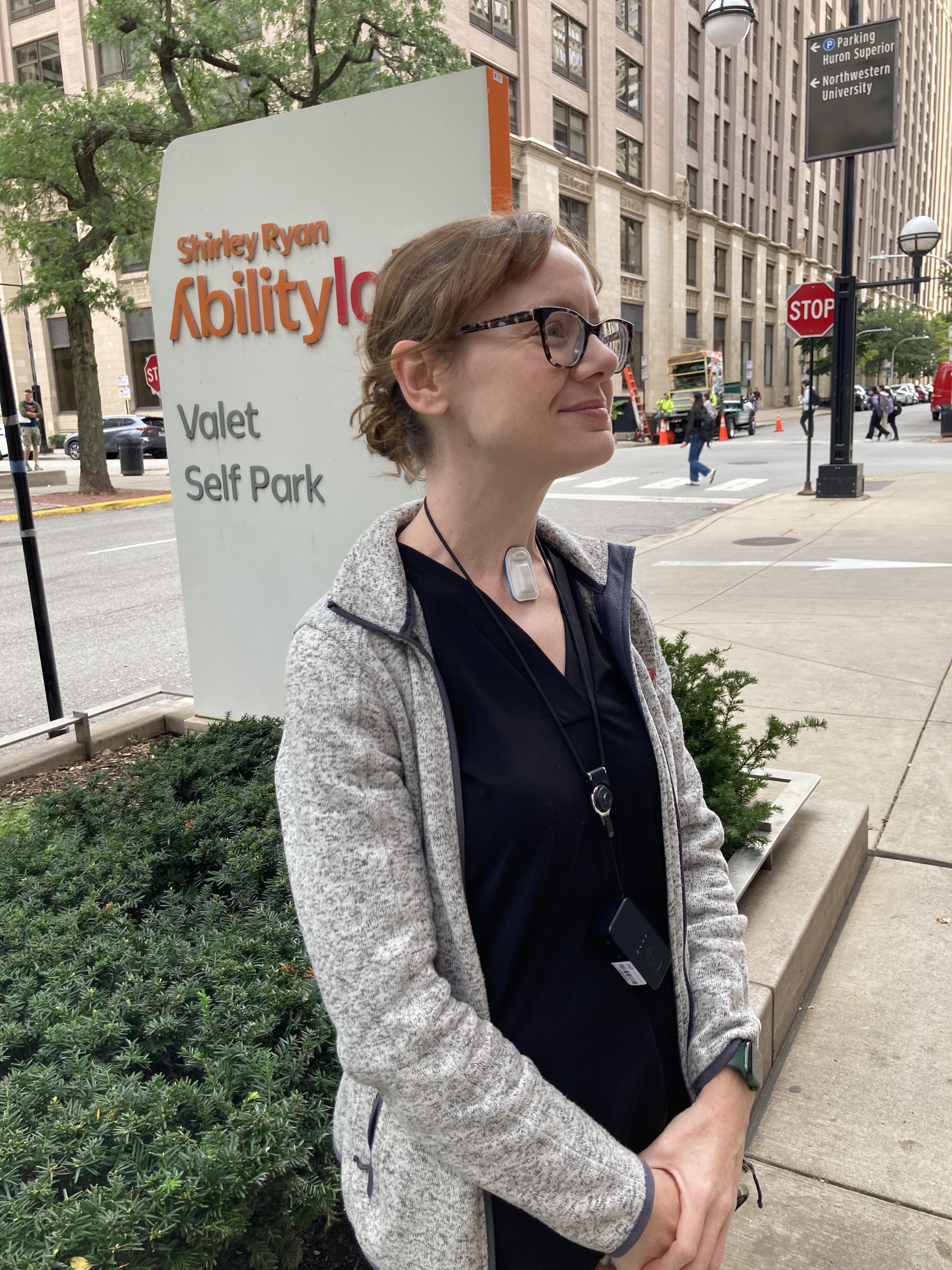
For example, a first-of-its-kind study at Shirley Ryan AbilityLab revealed how limited “talk time” is among individuals with aphasia — finding that they talk less than one minute per hour. The study further explores how the use of wearable technology — laryngeal sensors and GPS trackers — can provide a more accurate measurement of how often, and where, people with aphasia talk throughout the day.
Another study focuses on training employees in different business settings to more effectively interact with customers with communication disabilities through evidence-based, tailored microlearning modules.
Most recently, the center has embarked upon research to better understand the mental health of patients with aphasia, and specifically how connection and community may help address feelings of isolation in both patients and their care partners — particularly relevant as this population is disproportionately affected by loneliness.
Looking Forward: Mentoring, Evolving & Learning
Body
Over the years, Dr. Cherney has been surrounded by a team of clinicians and researchers at the Center for Aphasia Research & Treatment who find the study of aphasia to be both meaningful and essential. Many of her colleagues have been with the center since its earliest days.
Others have gone on to doctoral programs, faculty roles and research careers, carrying the center's ideas forward with them at other institutions. Dr. Cherney said mentoring is one of the most rewarding parts of the work.
“Mentoring young professionals is critical to sustaining the field and continuing to improve care for people with aphasia,” she said.
Dr. Cherney is clear that the field of aphasia treatment and research is here to stay. Aphasia remains a long-term condition for many people, and ongoing changes in insurance coverage may make community-based support even more important in the years ahead.
The center will continue to focus on helping people improve communication, but also on creating opportunities for connection, purpose and participation beyond formal treatment. For instance, it is also seeking ways to adapt treatments to how people communicate today, such as expanding treatments to apply to texting and digital communication.
Through it all, Dr. Cherney is grateful for the leaders and colleagues who said “yes” 25 years ago when the Center for Aphasia Research & Treatment first took root … and for the members of the aphasia community who continue to inspire her today.
“Every person with aphasia is different, and learning from them, seeing the changes they go through, and making a difference in their lives is rewarding for us,” said Dr. Cherney.