Body
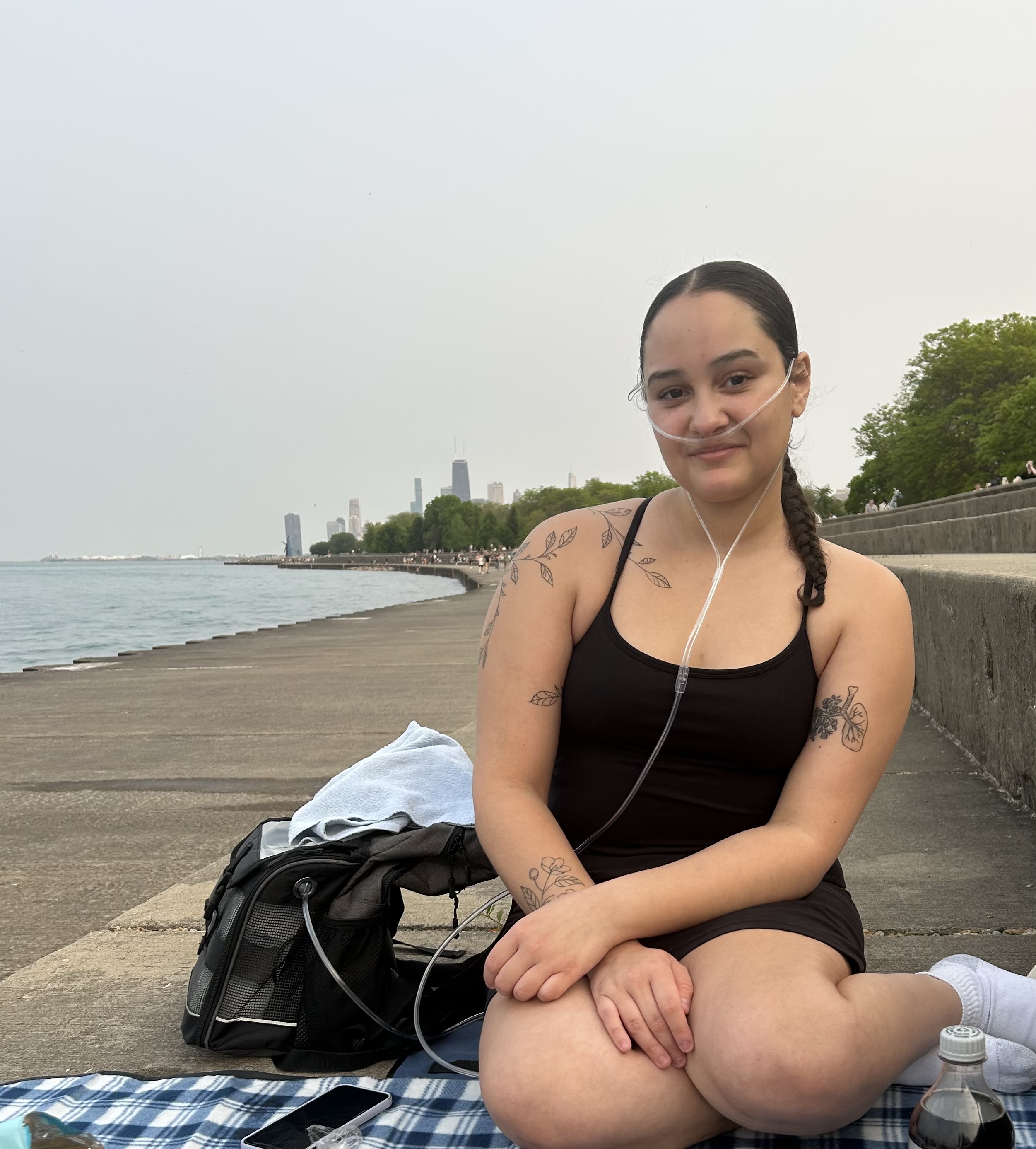
Oftentimes in rehabilitation, the bonds between a therapist and patient go beyond physical and functional recovery — and such was the case for Natalie K.
During five months of post-surgery rehabilitation in DayRehab at Shirley Ryan AbilityLab, Natalie not only discovered new abilities and life skills, but she also made a strong connection with her occupational therapist — and now she is planning to pursue a career in occupational therapy.
Starting Rehabilitation After Surgery
Body
Natalie, age 19, has cystic fibrosis (CF), a progressive disorder that causes damage to the lungs, digestive system and other organs. Over the last few years, Natalie has undergone a series of major abdominal surgeries to address complications related to CF.
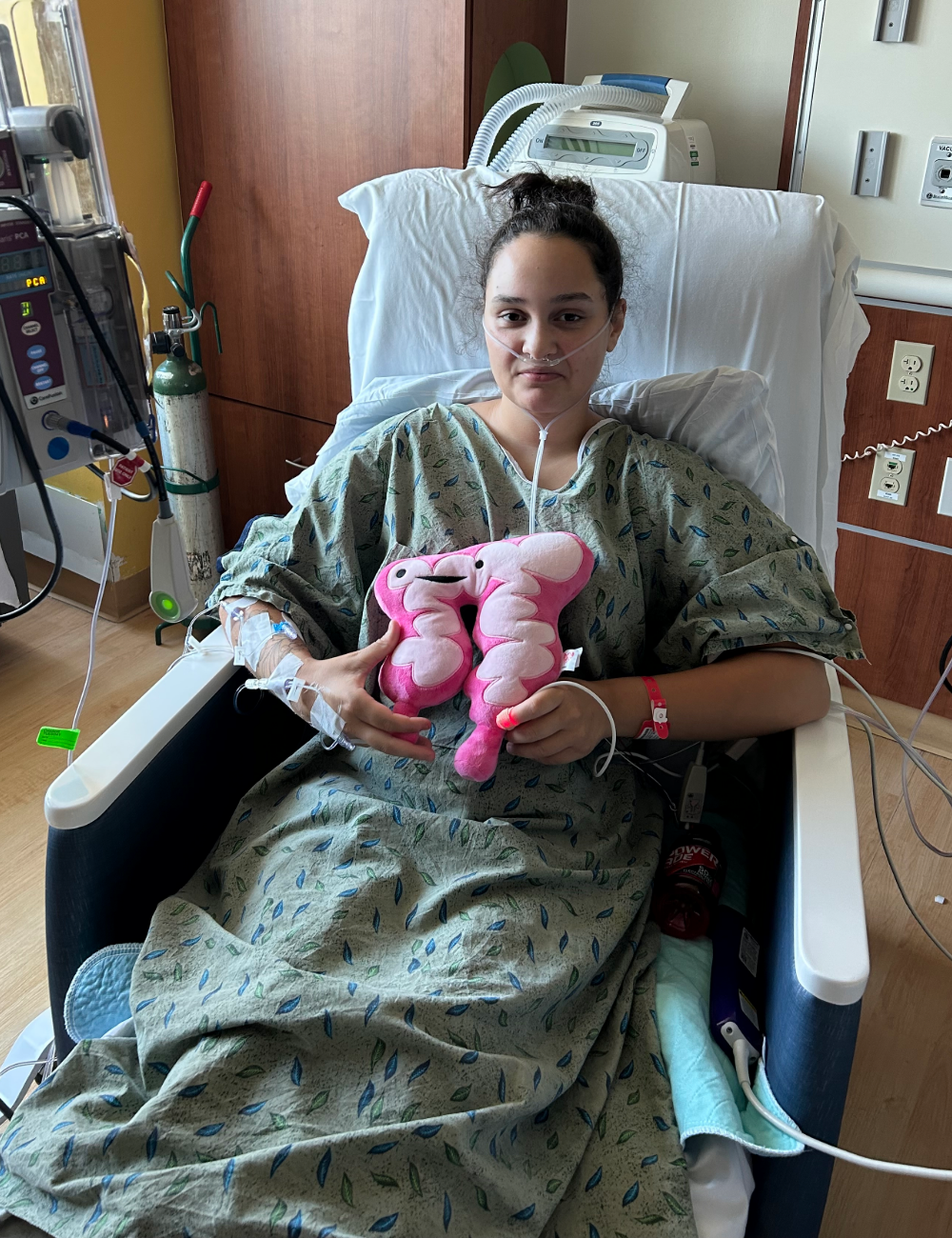
She came to Shirley Ryan AbilityLab’s Streeterville DayRehab Center for post-surgery rehabilitation, which helps patients with their healing and strengthening after surgery. However, just as she was getting started in occupational and physical therapy, an eighth surgery interrupted her progress.
As Natalie navigated multiple hospitalizations and a transition to rehabilitation, she started to feel tired, depressed and overwhelmed. At the time, she was just starting college and hoping to have a typical student experience. However, despite her best efforts, she feared she would eventually end up back in the hospital, and she said she had “essentially given up” on herself.
Fortunately, once Natalie was ready, her return to DayRehab for the second time marked a turning point in her recovery.
“Thankfully, my team at Shirley Ryan AbilityLab saw my potential enough to see me through. I kept showing up for rehabilitation for reasons that I cannot really understand nor verbalize, and, somehow, they continued to meet me where I was at,” said Natalie.
Small Wins & Big Milestones in Occupational Therapy
Body
Natalie said her Shirley Ryan AbilityLab care team refused to let her fall through the cracks.
She partnered with her primary occupational therapist, Olivia, to focus on motivation and daily functional skills that would help with her recovery from surgery, but also would have long-term benefits for living with a chronic illness like CF.
For example, Natalie increased the length of time she could remain standing, a sign of her improving endurance. She had long experienced hand tremors due to CF, so she worked on enhancing her fine motor skills. Also, by playing games and doing puzzles in occupational therapy, she built cognitive skills and learned pacing strategies to use if she were to experience brain fog.
One of the most memorable moments in occupational therapy came when Olivia asked Natalie to participate in an activity where, at first, the goal wasn’t apparent.
“Olivia had the idea to make me stack weights on a rolling cart and see how far I could push it,” said Natalie. “I was annoyed because I couldn’t see how this would ever help me. It was hard, and I do not like to fail.”
As it turns out, Olivia was trying to help Natalie with one of the most important tasks she would face at home. Natalie uses a feeding tube and receives formula for her nutrition, and this exercise allowed Olivia to assess Natalie’s ability to transfer heavy boxes of formula on her own.
“Olivia wanted to make sure I could carry the delivery boxes of my formula inside my apartment so I would never be fully reliant on someone else for my nutrition,” said Natalie. “In hindsight, that was really genius and kind of her to consider what my daily tasks at home would look like.”
In addition to occupational therapy, Natalie’s physical therapist helped her build strength and found ways to make movement enjoyable and refreshing, such as going for outdoor walks together. Natalie also attended regular sessions with a Shirley Ryan AbilityLab psychologist to receive mental health support as she healed.
Natalie describes her five months in DayRehab as a whirlwind. She said it was hard to notice small wins during treatment, but, in retrospect, she realized she had hit many milestones.
Grad Day & A New Path Toward a Career in Occupational Therapy
Body
On Natalie’s graduation day from Shirley Ryan AbilityLab, Olivia first took Natalie and a few other patients to an outdoor holiday market in downtown Chicago. Natalie was so wrapped up in enjoying the festive market — alongside others she had met in DayRehab — that she did not realize she had been successfully moving throughout the city for nearly three hours.
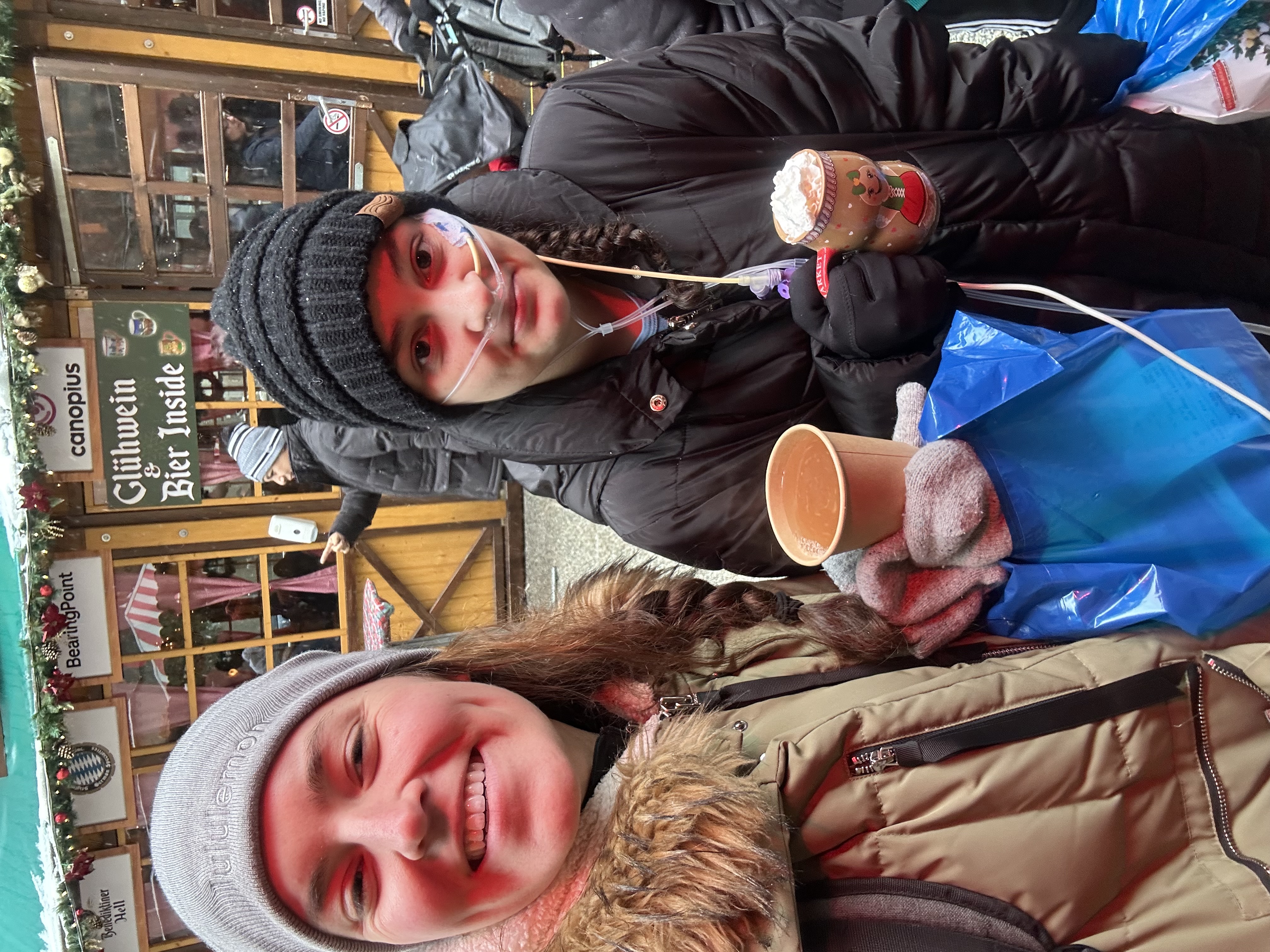
“I realized that sometimes we may have the strength to do hard things, but we first need some love and encouragement from our community to make ourselves do the hard thing,” said Natalie.
As her last day at Shirley Ryan AbilityLab came to a close, Olivia shared a few final words of encouragement:
“You’ve come back each time more resilient — working hard every time you’re here, showing up, taking care of your health both physically and mentally,” said Olivia. “We’re really going to miss you, but we know you’re going to do big things and that you’re going to be a great OT one day.”
Though Natalie has had a few setbacks with her health since leaving Shirley Ryan AbilityLab, she remains focused on her academics. She is currently a college sophomore, studying psychology on the pre-occupational therapy track. She had already been considering a career in occupational therapy, but her personal experience in DayRehab affirmed this direction.
Natalie said her experience growing up with a chronic illness has left her with a passion for disability advocacy and inclusion. She hopes to be a role model for other young people because “there is something so special about seeing yourself in those you look up to.”