Body
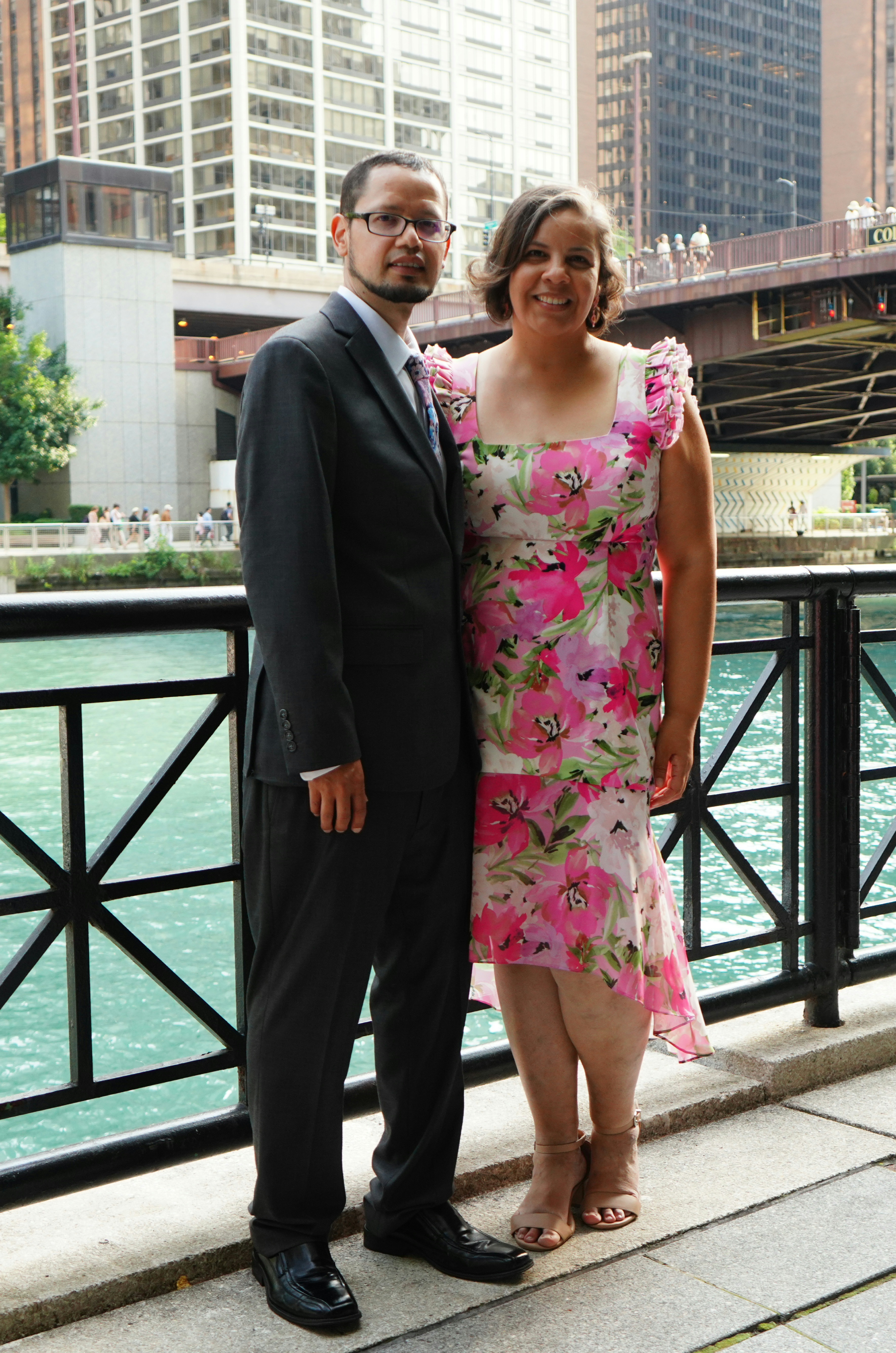
Wednesdays and Thursdays are Jose V.’s favorite days of the week. That’s when he participates in Shirley Ryan AbilityLab’s aphasia conversation groups.
These conversation groups, provided by the hospital’s Center for Aphasia Research & Treatment, offer opportunities for practicing communication and making connections with other individuals living with aphasia — a condition that can occur suddenly after a stroke and significantly impact a person’s ability to communicate with their loved ones, understand language, read and write.
The conversation group topics may sound simple — weekend plans, a favorite TV show, a recent vacation. Most people would call it small talk. However, for someone like Jose who lost the ability to communicate due to post-stroke aphasia, there is no such thing as small talk.
Starting Over After Stroke
Body
In 2022, Jose was at his home in Chicago’s western suburbs when he fell and couldn’t get up — or speak. The 41-year-old had a stroke and spent a week in acute care before participating in intensive physical, occupational and speech therapy at Shirley Ryan AbilityLab’s Arlington Heights DayRehab Center®.
The stroke left Jose with many physical challenges, but losing his ability to speak and express himself hurt the most.
His wife, Sandra, recalled, “He couldn’t tell us what he needed or how he felt. Doctor appointments were especially difficult. He would get frustrated when he couldn’t explain what was wrong or answer questions. It broke my heart to see him try so hard.”
Jose had to start over — relearning to speak, read and write in both English and Spanish. Through patience, hard work and family support, he slowly regained his voice and his confidence.
Aphasia Conversation Groups Spark Meaningful Connections
Body
The Center for Aphasia Research & Treatment offers programs that give participants the opportunity to practice communication, meet others living with aphasia, learn and have fun in a supportive environment. These programs are offered at no or low cost to participants and are supported thanks to the generosity of donors.
In-person and virtual programming includes conversation groups, book clubs, film discussion groups, aphasia advocacy groups, an aphasia choir and supported volunteer opportunities. Recently, an ongoing Spanish conversation group was established as well. Programs run on a weekly basis and are facilitated by speech-language pathologists and trained volunteers.
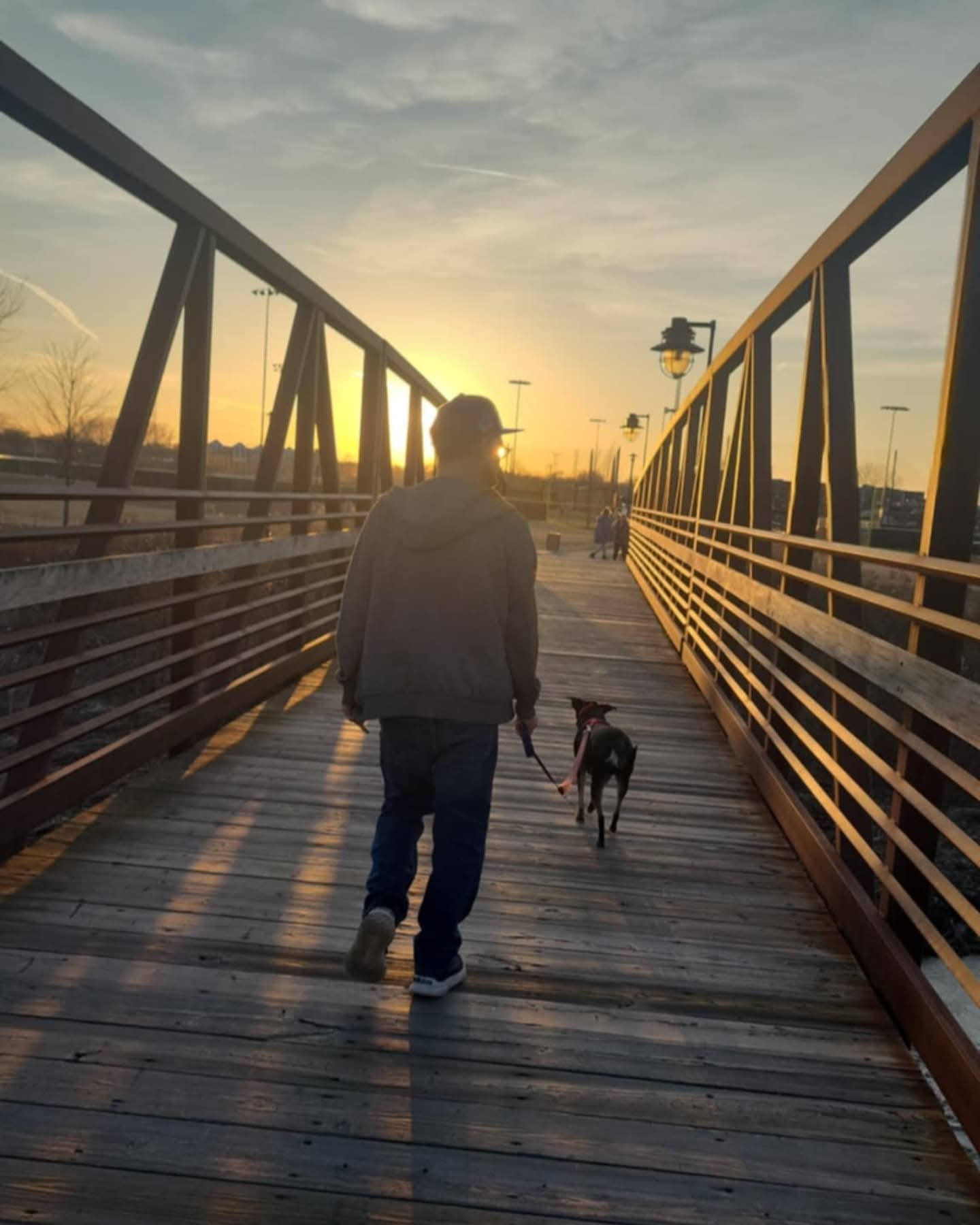
Shirley Ryan AbilityLab’s aphasia community groups — and especially the conversation groups — have played a key role in Jose’s recovery. He has found a supportive space where he feels safe and accepted. He also has made meaningful connections with his peers.
“Without Shirley Ryan AbilityLab, I wouldn’t have the chance to make new friends,” he said.
He enjoys discussing cars, sports and his hobbies — crafting, photography and building model cars. The small talk that most people take for granted offers a vital connection for him.
“These groups have given him more than just speech practice,” said Sandra. “They’ve given him hope, friendship, confidence and a reason to smile again. Every session reminds him that he’s not alone and that recovery is possible.”