
Altering Activation Patterns in Upper Extremity After Stroke
In our studies of the impairment mechanisms of hand motor control after stroke, we have been struck by two phenomena which arise following the original brain lesions.
read more

We're Just Getting Started
Check back soon to see what we've been working on - Until then, explore what research is about at Shirley Ryan AbilityLab.
read more

Selected Publications
Analysis of muscle fiber conduction velocity during finger flexion and extension after stroke.
BACKGROUND: Stroke survivors experience greater strength deficits during finger extension than finger flexion. Prior research indicates relatively little observed weakness is directly attributable to muscle atrophy. Changes in other muscle properties, however, may contribute to strength deficits. OBJECTIVES: This study measured muscle fiber conduction velocity (MFCV) in a finger flexor and extensor muscle to infer changes in muscle fiber-type after stroke. METHODS: Conduction velocity was…
read moreBenefits of using a voice and EMG-driven actuated glove to support occupational therapy for stroke survivors.
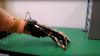
read moreUse of a Portable Assistive Glove to Facilitate Rehabilitation in Stroke Survivors With Severe Hand Impairment.
read moreInterested in joining us?
Latest Updates

Researcher Studies Nerve Transfer to Restore Diaphragm Function After Spinal Cord Injury
Mackenzie Long, a PhD candidate in Biomedical Engineering at Northwestern University, has been selected as an affiliate trainee in the Pathophysiology and Rehabilitation of Neural Dysfunction (PRND)…
view all news