Body
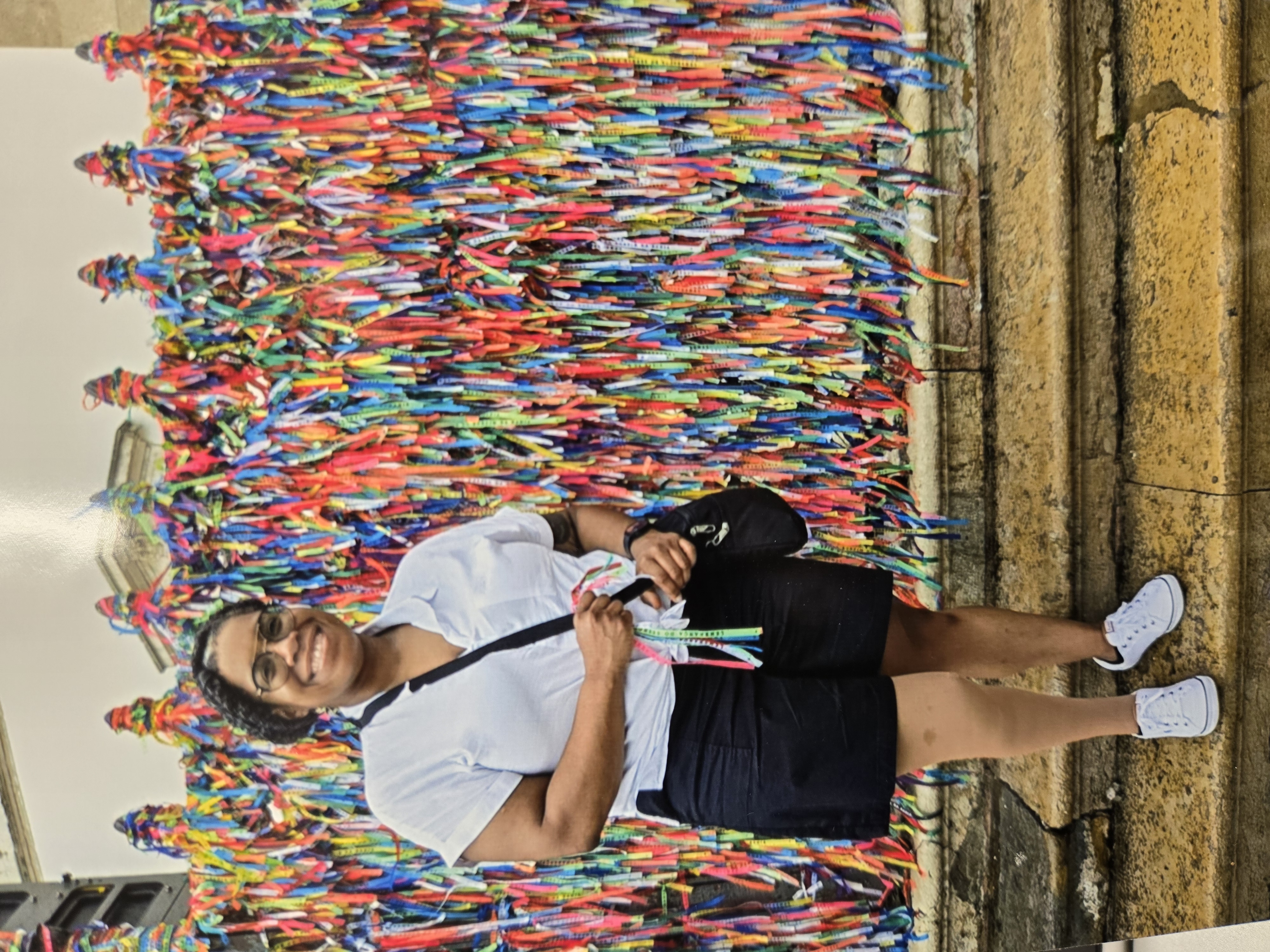
As part of Shirley Ryan AbilityLab’s regular “Ask the Expert” series, community members submit questions via social media to the hospital’s clinicians and researchers. The latest featured expert is Ashley Zinnamon, a certified prosthetist orthotist (CPO) at Shirley Ryan AbilityLab’s Homewood DayRehab Center.
Ashley has more than 15 years of experience in the field of prosthetics and orthotics. She received a bachelor’s degree in biology from Purdue University Northwest (previously Purdue University Calumet); received certificates in prosthetics and orthotics from the Northwestern University Prosthetics‑Orthotics Center (NUPOC); and completed her residencies. She joined Shirley Ryan AbilityLab in 2021.
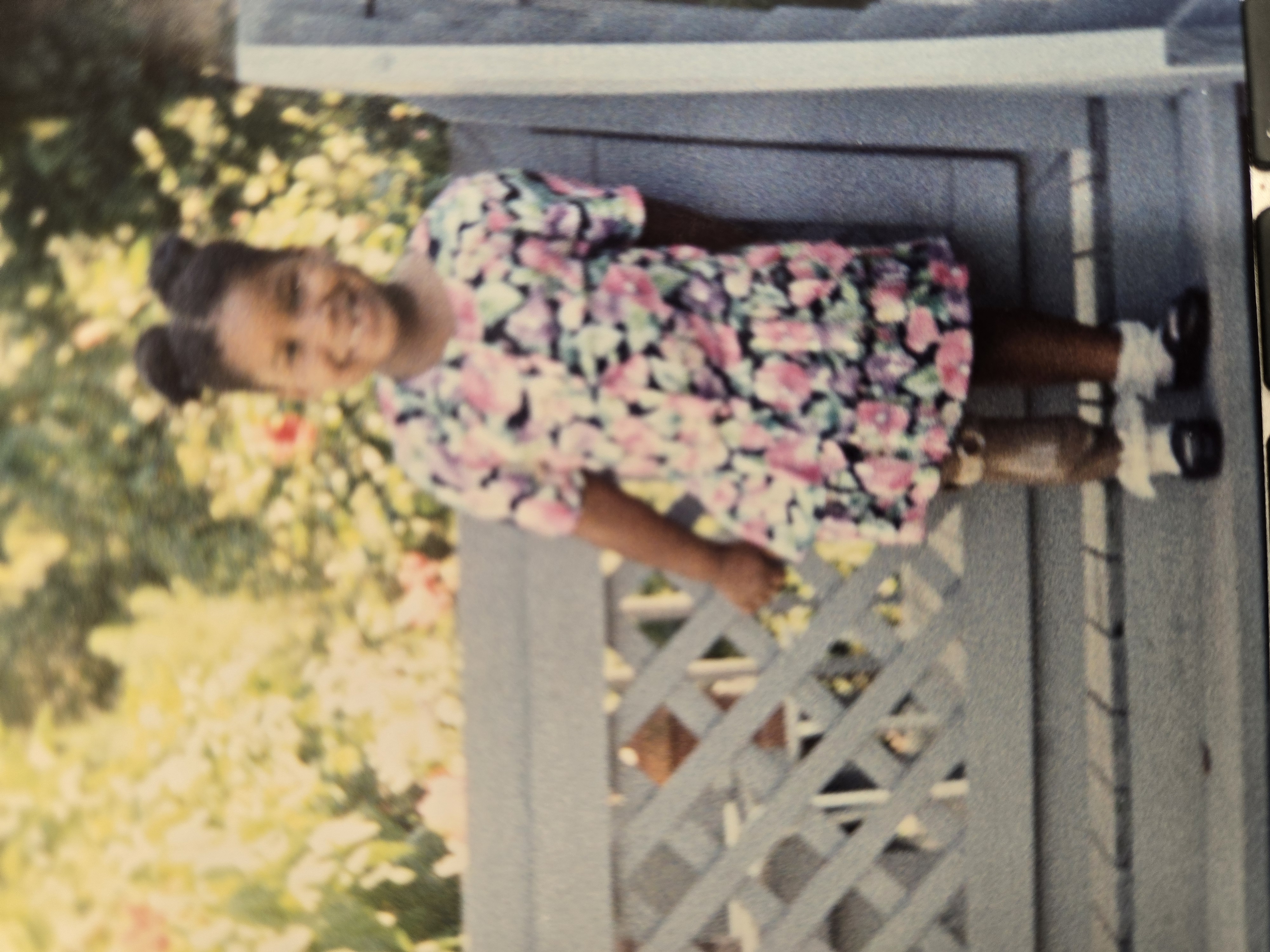
Ashley was born with a congenital condition that affected the development of her femur, resulting in challenges with her limb length and stability. She has been using a prosthesis since childhood. Before sixth grade, Ashley underwent an elective foot amputation and knee fusion to improve her stability and comfort and to increase the range of prosthetic options available to her.
Visits with her childhood prosthetist inspired her career as a CPO today. In the following Q&A, which has been edited for length and clarity, Ashley shares insights about her clinical role working with patients with limb loss and limb difference; her personal experience with amputation; and the process of creating and fitting a custom prosthesis.
Can you share how your personal journey as a patient inspired your career in the field of prosthetics?
Body
My experience as a patient definitely inspired my interest in a career in prosthetics and orthotics. As a child, I had the opportunity to work with a great prosthetist for many years and always felt like I was heard. I knew I wanted to work in patient care, but I didn’t know in what capacity. Once the idea of working in prosthetics and orthotics was suggested to me, it was sort of a no-brainer!
Has your personal experience shaped how you work with your patients today?
Body
Yes, my personal experience has shaped how I work with my patients today. I remember how comfortable I felt in my interactions with my prosthetist. That’s something I try to implement with my patients, as well as to let them know that I can relate to what they're going through. Our experiences may not be exactly the same, but there's something comforting about working with someone who can understand firsthand.
After your foot amputation, did you experience phantom limb pain or sensation?
Body
After I had my amputation, I did not experience any phantom limb pain — at least none that I can remember. I was very young when I had my surgery, so it could be that I just forgot, but I don't think that I did.
I do, however, still have phantom limb sensation. I still get the sensation that I’m wiggling my toes around or moving my ankle up and down. It's really interesting to feel those sensations, even though I know those things aren't actually happening because the foot isn't there.
How do you collaborate with your patients’ physical and occupational therapists?
Body
There is a lot of collaboration with the physical and occupational therapists I work with. My door is always open, so even if I'm not scheduled to see one of their patients, they'll always stop in to tell me what's going on and ask for suggestions.
If my patient is participating in day rehab therapies at Homewood, I see them during physical or occupational therapy sessions so we can assess their orthotic/prosthetic needs, progress, and determine appropriate next steps together. If a patient is receiving therapies at another Shirley Ryan AbilityLab location, or outside therapy location, I let the patient know that they can share my contact information with their therapist in case there are any questions.
What steps go into customizing and fitting a patient with a prosthesis?
Body
There are multiple parts to the process of customizing and fitting a patient with a prosthesis: The work we do throughout this process involves a collaboration between our prosthetists and our technicians, the professionals who physically make the custom prosthetic and orthotic devices.
Step 1: Evaluation
During the evaluation appointment, the most important thing is for us to gather as much information as possible from the patient. This includes getting their medical history; personal history; information about their home environment, what their life was like prior to amputation, including their activities or hobbies; and what their goals are. We really get to know the patient and also discuss different types of prosthetic options.
Step 2: Casting
After the evaluation appointment, next is a casting appointment. This is when we gather all the patient’s measurements, as well as “take the mold,” which means creating an impression of the patient’s residual limb to begin the process of fabricating a custom prosthesis.
After we take the mold, we pour it (e.g., pour liquid casting material into the mold to create a hardened model of the limb), modify it for the proper shape, and/or use computer-aided design (CAD) to customize it. These steps are needed in order to fabricate a “check socket,” a clear, temporary and adjustable prosthetic socket — the device that connects the residual limb to the prosthesis. The check socket will be used in the fitting appointment.
Step 3: Fitting
During the fitting appointment, we connect the check socket with the prosthetic components, such as a foot and/or knee, that we plan to use with the patient.
We are checking fit to make sure it's comfortable for the patient. For a lower-limb prosthesis, we are checking height, alignment, and the patient's gait, or how they walk. We want to make sure all those things are optimized before we finalize the prosthesis.
Part 4: Delivery
The final appointment is the delivery appointment. At that time, the patient comes in to pick up their prosthesis, which is very exciting. We make sure everything fits and functions appropriately, just as it did during the fitting appointment. We go over some education with the patient to make sure they understand everything about wearing and caring for their prosthesis.
We also schedule follow-up appointments so that we can make sure things are going smoothly for the patient and that there aren't any issues.
What advice would you have for someone who has recently experienced limb loss or had an amputation?
Body
- Ask for help when needed. Sometimes I think it's very difficult to ask for help, especially if you're someone who's used to being so independent.
- Ask as many questions as you need from your care team. There are no wrong questions. You want to be as informed as possible about your process, so don't be afraid to ask.
- Celebrate the small victories along the way of your recovery. Sometimes I think we get so wrapped up in where we want to be that we lose sight of how far we've come in the journey of recovery.
- Try to get back to the things you love. You may not be able to do them in the same way as before your amputation, but that does not mean you can't enjoy them.