Body
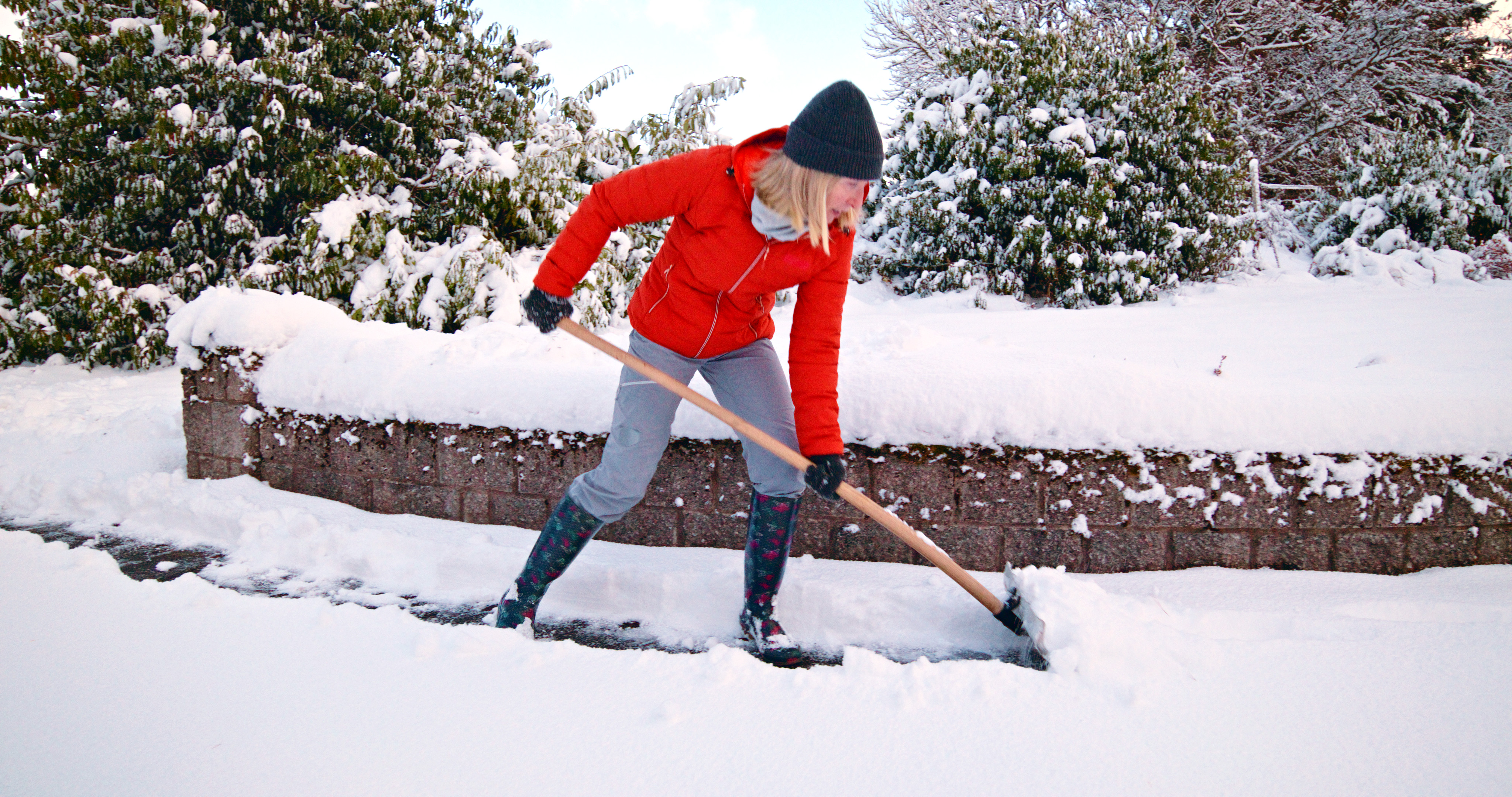
With the winter season upon us, it's time to dust off our shovels and get to work clearing our sidewalks and driveways. However, shoveling snow is physically demanding, and it’s important to take a few preventative steps to reduce your risk of back strain, muscle injuries, slips and falls.
Here are four easy tips for shoveling to make this winter a safe and healthy one.
1. Bend From Your Knees
Body
When bending forward to shovel the snow, remember to bend from your knees — and not from your back.
Bending your knees brings your body closer to the ground and minimizes the distance between yourself and the heavy object … the snow. Our legs are designed to handle this up-and-down motion, whereas our lumbar spine — the lower back — can become stressed and strained easily.
Also, when placing the shovel under the snow, it's helpful to use a lunge movement so one leg moves forward as you lift. This is advisable as compared to simply bending forward from your back, as added forward motion certainly will strain your back.
2. Take Breaks
Body
Shoveling snow is hard! When shoveling a large area, you may need to take a break. Based on your individual health history, you should understand when you are safely within your normal exercise range or when you are pushing yourself too far.
As a rule of thumb, you should be able to talk and shovel snow without much difficulty, which represents a low workload. If you try to talk while shoveling but are unable to do so, then shoveling is a moderate-intensity exercise for you. This is a safe level of exertion for most individuals, but please consider how the additional strain on your cardiovascular system can impact your body, and once again, remember to take breaks and monitor your exertion.
3. Dress Appropriately
Body
Any extended period of time in extreme winter conditions can become dangerous. Dressing appropriately will help you prevent issues like frostbite, numbness, hypothermia or skin irritation — the types of conditions that may lead to needing medical treatment later.
Wear the appropriate protection for your extremities, especially your fingers and toes. When applying salt to the sidewalk, wear gloves and wash your hands afterward as the salt is caustic to your skin and other parts of your body that you may touch, like your face.
If you feel parts of your body going numb, take a break and heat up inside with a warm drink before tackling the rest of the driveway. Your safety is more important than a perfectly shoveled path!
4. Stretch Before & After Shoveling
Body
If you have a past injury that required physical therapy, or have a current achy spot on your body, take care to prepare. Stretching before an activity has been shown to be beneficial for preventing an injury or making an existing injury worse. Even a minute or two of leg and back stretches before shoveling can help to prevent strain and pain.
It is also important to take care of your body after shoveling. If you feel a new pain that persists past the first 24-48 hours of shoveling, set up an outpatient appointment to see a physical therapist for an individualized assessment and treatment. Physical therapists can help prepare your body for many snowy days ahead during these winter months.
Meet the Expert
Body
Adele Nathan, PT, DPT, NCS, is a physical therapist at Shirley Ryan AbilityLab’s Northbrook Outpatient Center, located in the northwest suburb of Northbrook, Ill. Adele has been a practicing physical therapist for 13 years, with clinical expertise in rehabilitation for patients with neurological diagnoses. She has garnered a wealth of experience throughout her clinical career, with a focus on treating patients after stroke or spinal cord injury and treating patients who experience back and neck pain or balance issues related to aging. Adele lives in Chicago’s northern suburbs with her children, and, in her spare time, enjoys running outdoors and baking muffins.